


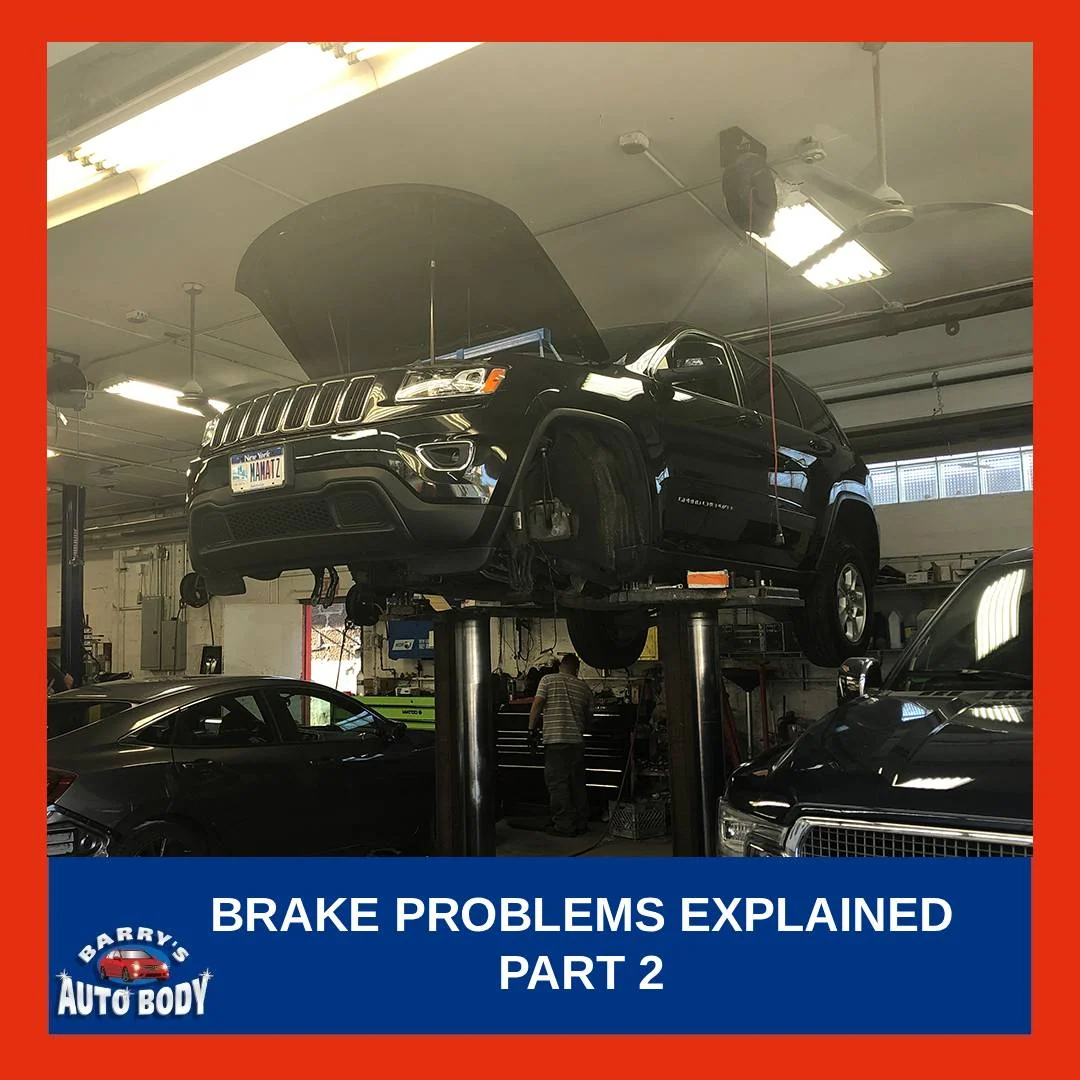
Diagnosis, Repair Options, Costs & What to Expect at an Inspection
If you read Part 1, you already know the common warning signs: grinding noises, squealing, pulling, vibrations, or a soft brake pedal. While these symptoms can be concerning, recognizing them is only the first step. To fully address brake issues, it is important to understand what follows after noticing these indicators. This leads many drivers to ask: “What actually happens now?”
This guide shifts from symptoms to solutions. We’ll cover how brake issues are diagnosed, the repair options available, typical cost ranges, and what to expect during a professional inspection. The goal is simple: give you clarity so you can make informed decisions without guesswork.
How Brake Problems Are Diagnosed
Brake diagnostics typically follow a structured process. Each step builds on the last to narrow down the cause.
1. Understanding Driver-Reported Symptoms
Everything starts with what you notice.
Common inputs from drivers include:
- Grinding or squealing sounds
- Vibrations in the steering wheel or pedal
- Car pulling to one side when braking.
- Delayed or soft braking response
Why this matters:
These details can help technicians narrow down whether the issue might be related to pads, rotors, calipers, or hydraulic components.
2. Visual Inspection of Brake Components
A hands-on inspection often reveals early signs of wear.
Key areas checked:
- Brake pad thickness (thin pads can indicate wear)
- Rotor condition (grooves, discoloration, warping)
- Calipers and hardware (leaks, uneven wear)
- Brake lines and hoses (cracks or fluid seepage)
Insight:
Many brake issues can be identified visually before they become severe.
3. Test Drive & Brake Feel Evaluation
A test drive can help confirm real-world symptoms.
Technicians may evaluate:
- Brake responsiveness
- Pedal firmness
- Vehicle stability under braking
- Noise under different speeds
This step helps match what you feel with what’s mechanically happening.
4. Advanced Diagnostics (If Needed)
In complex cases, more in-depth diagnostics may be used.
These can include:
- ABS system scanning for fault codes
- Brake fluid testing for contamination or moisture
- Hydraulic pressure testing to detect imbalance
These tools can uncover hidden issues not visible during a basic inspection.
Common Brake Repair Options Explained
Once the issue is identified, the next step is deciding what needs to be fixed.
To illustrate, consider a scenario in which a driver brings their vehicle into a shop after noticing a squealing noise during braking. The technician discovers that the brake pads are worn, but measures the rotors and finds they are still within manufacturer specifications and show no significant scoring or warping. In this case, only the brake pads would need to be replaced. In contrast, if the technician observes that both the pads are worn and the rotors have deep grooves or are below the recommended thickness, both components must be replaced to restore full braking performance. These scenarios demonstrate that not all brake problems require the same repair solution.
1. Brake Pad Replacement
This is one of the most common repairs.
When it might be needed:
- Pads are worn down close to metal backing.
- Squealing or grinding is present.
Why it matters:
Replacing pads early can prevent damage to rotors and other components.
Best practice:
Pads are typically replaced in pairs (both sides) to maintain balanced braking.
2. Rotor Resurfacing vs Replacement
Rotors wear over time due to heat and friction.
Resurfacing might be an option if:
- Wear is minimal
- Surface damage is shallow.
Replacement might be needed if:
- Rotors are warped
- Deep grooves are present.
- Thickness is below safe limits.
Key insight:
While resurfacing can be cost-effective, replacement may offer better long-term reliability.
3. Caliper Repair or Replacement
Calipers apply pressure to the brake pads.
When issues occur:
- Calipers may stick or seize.
- Uneven braking pressure develops.
Potential outcomes:
- Dragging brakes
- Uneven pad wear
Repair options:
- Cleaning and lubrication
- Full replacement if damaged
4. Brake Fluid Flush
Brake fluid plays a critical role in transmitting pressure.
Why it matters:
Over time, brake fluid can absorb moisture, reducing performance.
When a flush might be recommended:
- Fluid appears dark or contaminated.
- Reduced braking response
5. Full Brake System Overhaul
Sometimes multiple components wear at the same time.
This might include:
- Pads + rotors
- Calipers
- Fluid replacement
Why it might make sense:
Bundling repairs can ensure consistent performance and reduce the cost of repeated labor.
Brake Repair Cost Ranges (General Guidance)
Costs associated with brake repairs differ based on multiple variables. For example, a standard brake pad replacement may typically range from $100 to $300 per axle, while replacing both brake pads and rotors can cost between $300 and $800 per axle. More extensive repairs, such as caliper replacement or a full brake system overhaul, may exceed $1,000. These estimates depend on the vehicle make and model, extent of damage, and types of parts used.
Key Factors That Affect Pricing:
- Vehicle make and model.
- Extent of wear or damage
- Type of parts used (OEM vs aftermarket)
General Cost Expectations:
- Brake pad replacement:
- Can be one of the lower-cost repairs
- Pads + rotors:
- Can increase costs due to parts and labor
- Caliper replacement:
- Typically higher due to complexity.
- Full brake system work:
- Can vary widely depending on the condition
Important Insight:
Early intervention can keep costs lower, while delayed repairs can lead to additional component damage.
How to Decide What Repair You Actually Need
Brake recommendations can feel overwhelming. Here’s how to approach them.
Questions You Can Ask:
- Are the rotors still within safe limits?
- Are both sides wearing evenly?
- Is this repair urgent or preventive?
Smart Decision Tips:
- Replacing pads early can help protect rotors.
- Fixing one issue might reveal others.
- A full inspection can provide a clear picture of overall brake health.
What Happens During a Brake Inspection at Barry’s Auto Body
Understanding the process can remove uncertainty.
Step 1: Initial Consultation
- Discuss what you’ve experienced.
- Clarify symptoms and driving conditions.
Step 2: Full Brake System Check
- Inspect pads, rotors, and calipers.
- Check brake fluid condition.
- Examine lines and hoses.
Step 3: Test Drive Evaluation
- Confirm noise, vibration, or pulling.
- Evaluate braking under real conditions.
Step 4: Transparent Diagnosis
- Clear explanation of findings
- Visual or verbal breakdown of issues
Step 5: Repair Options
- Immediate vs future repairs
- Practical recommendations based on safety and budget
Common Mistakes Drivers Make with Brake Repairs
Avoiding these can save money and stress.
- Waiting too long after hearing grinding
- Choosing the cheapest parts without considering longevity
- Ignoring early warning signs like squealing
- Replacing only one side instead of both
Why Early Diagnosis Can Save You Money
Brake systems tend to follow a pattern of wear.
Typical progression:
- Worn pads → rotor damage → caliper issues
Addressing problems early can:
- Reduce repair scope
- Maintain performance
- Prevent safety risks
Brake issues aren’t just about noise; they’re about safety, control, and long-term cost management. Understanding how problems are diagnosed and what repair options exist can help you make more confident decisions.
If you’ve noticed warning signs or want clarity on your brake system, scheduling an inspection can be a good option. At Barry’s Auto Body, the goal is simple: help you understand what your vehicle needs—no more, no less—so you can drive with confidence.