


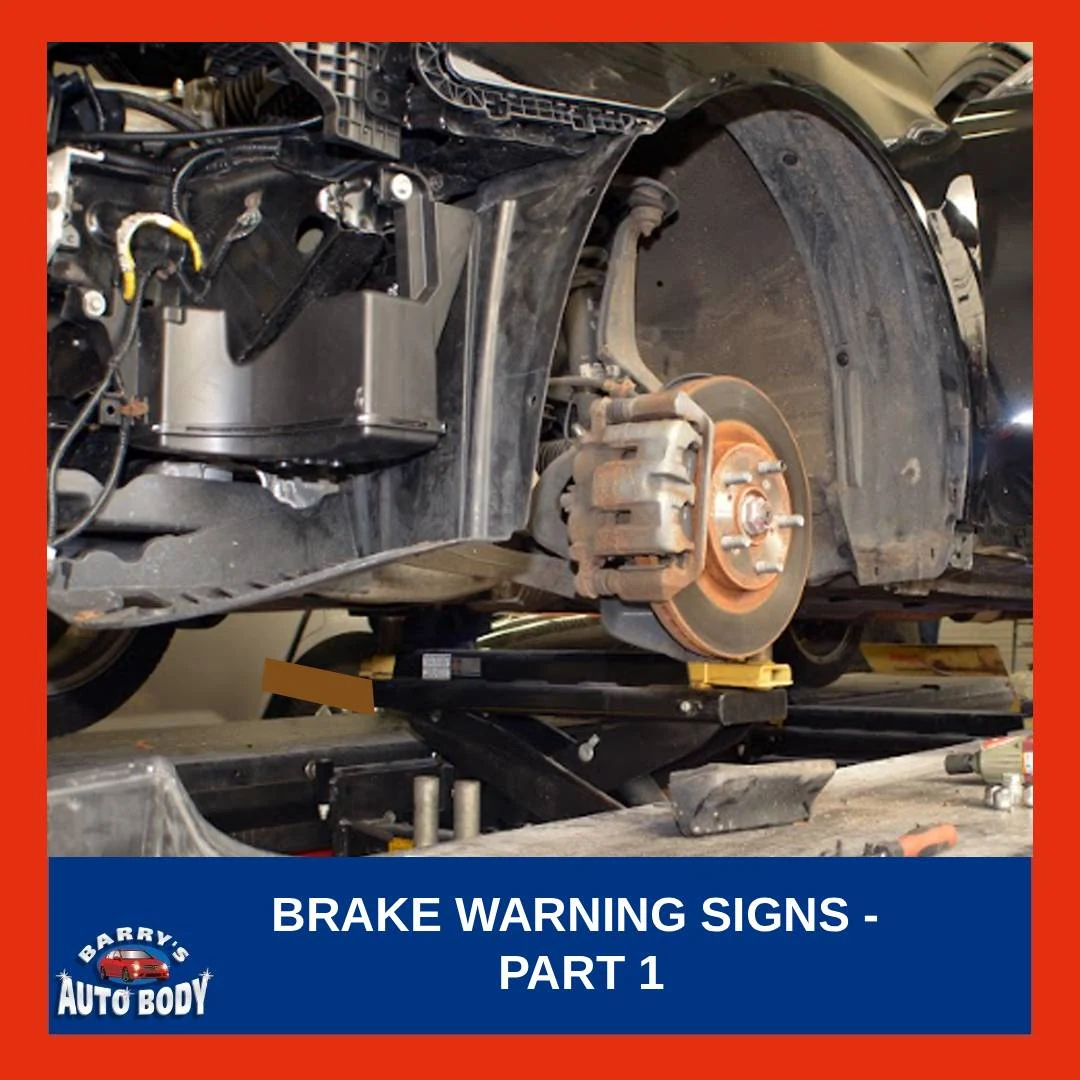
Grinding, Squealing, Vibration, and Burning Smells — What They Might Mean
Your braking system is one of the most important safety components in your vehicle. Yet many drivers ignore early warning signs because the car still “seems fine.” The truth is, brake issues often develop gradually. Small symptoms can grow into larger, more expensive problems if left unchecked.
In this first part of our two-part brake guide, we’ll break down the most common warning signs:
- Grinding noises
- Squealing sounds
- Vibration while braking
- Burning smells
We’ll explain what they can mean and why paying attention early may prevent more serious repairs later. In Part 2, we’ll explore the diagnostic process, repair options, cost considerations, and what a proper brake inspection involves.
Why Brake Warning Signs Should Never Be Ignored
Brakes are designed to give feedback when something changes. Unlike many hidden mechanical problems, brake systems often signal wear or malfunction through sound, feel, or smell.
Ignoring early symptoms can sometimes lead to:
- Reduced stopping performance
- Additional component damage
- Higher repair costs
- Safety risks in emergencies
While not every sound means immediate danger, unusual brake behaviour should rarely be dismissed.
Squealing Brakes: What That High-Pitched Sound Can Mean
A high-pitched squeal when braking is one of the most common complaints.
Possible causes include:
1. Worn Brake Pads
Many brake pads include a built-in wear indicator. When pads thin out, a small metal tab can contact the rotor, producing a squeal.
2. Surface Rust or Moisture
After rain or overnight parking, temporary rust can cause a brief squealing that may disappear after a few stops.
3. Glazed Brake Pads
Excessive heat can harden the pad surface, causing noise during braking.
4. Dust or Debris Between Pad and Rotor
Small particles can sometimes create short-term noise.
If squealing persists, it may indicate that the brake pads are approaching the end of their usable life.
Grinding Brakes: A More Serious Warning Sign
Grinding is usually louder and harsher than squealing. It often sounds like metal scraping against metal.
Grinding can occur when:
- Brake pads are fully worn down.
- The backing plate contacts the rotor.
- Foreign objects become lodged in the brake assembly.
- Severe rotor damage develops.
When pads wear completely, continued driving may damage the rotors, potentially increasing the repair scope.
Grinding is generally considered a sign that brake components may require prompt attention.
Vibration or Pulsation When Braking
If the steering wheel or brake pedal vibrates while braking, it can indicate uneven braking force.
Common causes may include:
1. Warped or Uneven Rotors
Heat buildup can cause minor distortion in brake rotors.
2. Uneven Pad Wear
If pads wear irregularly, braking pressure may feel inconsistent.
3. Suspension or Alignment Issues
Sometimes the vibration felt during braking may involve suspension components rather than just the brakes.
Light pulsation may develop gradually, while more noticeable shaking can indicate advanced wear.
Burning Smell While Driving or Braking
A sharp, chemical-like burning smell can be alarming.
Possible explanations include:
1. Overheated Brake Pads
Aggressive braking or riding the brakes downhill can cause overheating.
2. Sticking Calipers
If brake calipers do not release properly, constant friction may generate heat.
3. Driving With Parking Brake Engaged
Even slight engagement can create excess heat and odour.
A burning smell, combined with reduced braking performance, should be evaluated promptly, as overheating may compromise braking efficiency.
Why Brake Problems Often Start Small
Brake systems wear gradually under normal use. Components such as:
- Brake pads
- Rotors
- Calipers
- Brake fluid
All experience wear over time.
Early-stage symptoms often include subtle noise or slight performance changes. These minor indicators can sometimes be resolved with straightforward repairs. However, delaying attention may allow damage to spread to other components.
Environmental and Driving Factors That Affect Brake Wear
Not all drivers experience brake wear at the same rate.
Factors that may accelerate wear include:
- Frequent stop-and-go traffic
- Towing heavy loads
- Driving in hilly areas
- Aggressive braking habits
- Moist or coastal environments
Understanding how your driving habits influence wear can help you recognise changes sooner.
Common Myths About Brake Warning Signs
Several misconceptions cause drivers to delay inspections.
Myth 1: “If the car stops fine, it’s safe.”
Stopping performance can gradually decline before becoming obvious.
Myth 2: “Brake noise always goes away.”
Temporary moisture noise may disappear, but persistent sounds typically indicate wear.
Myth 3: “Brakes only need attention when they fail.”
Routine inspection can often prevent failure.
Recognising the difference between temporary and recurring symptoms can help avoid unnecessary risks.
What Drivers Can Do When They Notice Brake Warning Signs
If you notice unusual brake behaviour, consider these steps:
1. Observe When the Symptom Occurs
- Only when braking lightly?
- Only at higher speeds?
- After rain?
2. Avoid Aggressive Driving
Sudden hard braking may worsen wear if components are already compromised.
3. Monitor Changes
Note whether the symptom improves, worsens, or remains consistent.
4. Schedule an Inspection
If noise or vibration persists, a professional brake inspection may be a good option.
Addressing brake issues earlier often provides more repair flexibility.
Why Professional Brake Inspection Matters
Brake systems involve multiple interacting components. A proper inspection may include:
- Measuring brake pad thickness
- Inspecting rotor condition
- Checking caliper movement
- Evaluating brake fluid condition
- Road testing for vibration
Because brakes are a safety-critical system, guessing based on sound alone may not provide a full picture. A structured inspection can identify both visible wear and less obvious issues.
Early Action May Reduce Overall Repair Costs
In many cases:
- Replacing worn pads early may prevent rotor damage.
- Addressing caliper issues early may prevent overheating.
- Resolving vibration early can reduce the need for part replacement.
While not every brake sound signals a major problem, waiting until performance declines significantly may limit repair options.
What Part 2 Will Cover
In Part 2, we will explore:
- The full brake diagnostic process
- How technicians determine which components need replacement
- Common repair options
- Typical cost ranges
- What a proper brake inspection involves
- How Barry’s approaches brake system evaluations
Part 2 will help you understand what happens after you bring your vehicle in for inspection — and how repair decisions are made.
Brake warning signs are rarely random. Grinding, squealing, vibration, and burning smells can each signal different stages of wear or malfunction. Paying attention to these signals may help prevent more extensive repairs and maintain safer driving conditions.
If your brakes are making unusual sounds or behaving differently, understanding the symptoms is the first step. In Part 2, we’ll guide you through what happens next — from diagnosis to repair options — so you can make informed decisions with confidence.