


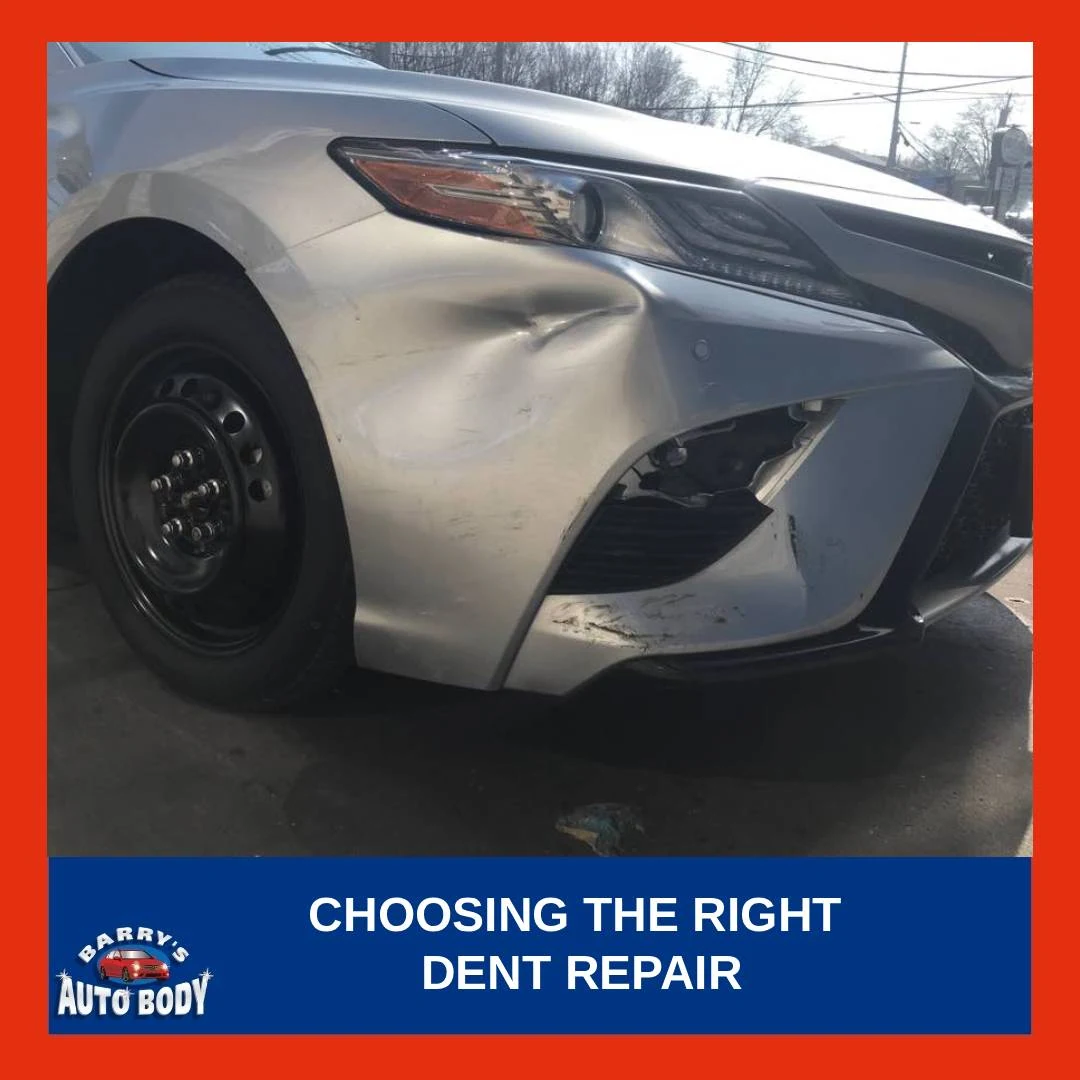
When Paintless Dent Repair Works, When Panel Beating Is Required, and How to Choose the Right Method
In Part 1, we explored the different types of car dents: hail damage, parking lot dings, crease dents, and body line impacts. We discussed how dents form and why not all dents behave the same way.
Now in Part 2, we focus on what most drivers really want to know:
- When does Paintless Dent Repair (PDR) work?
- When is panel beating required?
- How can you choose the right repair method?
The goal here is not to push one solution over another, but to help you understand how repair decisions are typically made, and what factors influence those choices.
1. Not All Dents Are Repaired the Same Way
The most important thing to understand is this:
The dent type usually determines the repair method — not the size alone.
Repair suitability often depends on:
- Paint condition
- Metal stretch
- Dent depth
- Dent location
- Access behind the panel
A small dent in the wrong location might require more work than a larger, shallow dent in an accessible area.
2. What Is Paintless Dent Repair (PDR)?
Paintless Dent Repair (PDR) is a method that reshapes the metal from behind the panel without sanding, filling, or repainting.
How PDR generally works:
- The technician gains access behind the panel
- Specialized tools gently massage the metal back into shape
- Light reflection is used to guide precision
The key principle is preserving the original factory paint.
When PDR Often Works Well
PDR may be a suitable option when:
- The paint is intact and not cracked
- The dent is shallow
- The metal has not been overstretched
- The dent is accessible from behind
- Damage is from hail or door dings
Common examples:
- Hail damage
- Parking lot door dents
- Small bumper dings (depending on material)
Potential advantages of PDR:
- Often faster turnaround
- No repainting required
- Maintains original paint finish
- May be more cost-effective in certain cases
However, PDR is not universal. It works best within specific conditions.
3. When Paintless Dent Repair Might Not Be Suitable
While PDR can be highly effective, it has limitations.
PDR may not be ideal when:
- Paint is cracked or chipped
- The dent has a sharp crease
- Metal is deeply stretched
- The dent sits on a sharp body line
- Access behind the panel is blocked
Trying to force PDR beyond its limits may lead to imperfect results. In some cases, a partial improvement is possible, but a full restoration may require additional refinishing.
Understanding these boundaries helps set realistic expectations.
4. What Is Panel Beating?
Panel beating is a traditional repair method used when dents are too severe for PDR.
It generally involves:
- Reshaping the damaged panel
- Smoothing the surface
- Applying filler (if required)
- Sanding and refinishing
- Repainting the affected area
Unlike PDR, panel beating typically includes repainting, as paint damage is often present.
5. When Panel Beating May Be the Better Option
Panel beating may be necessary when:
- The dent is deep and sharply creased
- The paint is damaged
- The clear coat has failed
- The panel has been significantly distorted
- Structural elements are involved
- The dent sits directly on a reinforced body line
Why preparation matters:
Quality panel repair often depends more on preparation than speed. Proper sanding, blending, and paint matching can affect durability and appearance in the long term.
Quick or low-cost bodywork shortcuts may appear acceptable initially, but could fade, crack, or mismatch over time.
6. Comparing PDR vs Panel Beating
Here is a simplified comparison to help clarify the differences:
| Factor | Paintless Dent Repair (PDR) | Panel Beating |
| Paint preserved? | Usually yes | Often requires repaint |
| Best for | Small, shallow dents | Deep or complex dents |
| Suitable for creases? | Sometimes limited | More flexible |
| Turnaround time | Often shorter | May take longer |
| Cost range | Often lower (case dependent) | Varies by repair scope |
Neither method is “better” universally. Each has strengths depending on the situation.
7. Key Factors That Determine the Right Repair Method
1. Paint Condition
If the paint remains intact, PDR might be possible. If the paint is cracked, repainting may be required.
2. Dent Depth
Shallow dents are often easier to reshape. Deep dents may stretch metal beyond elastic limits.
3. Dent Location
Flat panels are usually simpler than body lines, edges, or reinforced areas.
4. Access Behind the Panel
Some areas allow tool access; others are sealed or reinforced.
5. Vehicle Value and Ownership Plans
Owners planning to keep the vehicle long-term may prefer higher-precision repairs. Short-term ownership goals may influence budget decisions.
Each of these factors contributes to choosing a suitable approach.
8. The Role of Professional Assessment
Dent evaluation can be more complex than it appears.
Technicians often assess:
- Light reflection patterns
- Metal tension and stretch
- Paint flexibility
- Access pathways behind panels
What looks like a simple dent might involve subtle metal distortion not visible to the untrained eye.
Professional assessment doesn’t automatically mean a costly repair; it simply provides clarity before committing to a method.
9. Common Mistakes Drivers Make When Choosing Dent Repair
Being informed helps avoid these common pitfalls:
1. Choosing the Cheapest Quote Only
Lower pricing may reflect limited preparation or rushed work.
2. Attempting Aggressive DIY Pulling
Improper tools can worsen stretching or crack paint.
3. Ignoring Paint Damage
Even small cracks can lead to peeling later.
4. Waiting Too Long
Temperature changes and moisture can complicate future repairs.
5. Assuming All Dents Qualify for PDR
While many are, not all are ideal candidates.
10. What to Expect During a Dent Repair Estimate
A thorough estimate may include:
- Visual inspection
- Light board assessment
- Paint condition evaluation
- Discussion of multiple repair options
- Explanation of trade-offs
You might be presented with:
- A PDR-only option
- A panel repair option
- A blended approach, depending on the condition
Clear communication during this stage can prevent misunderstandings later.
11. Long-Term Considerations After Dent Repair
Regardless of the repair method used, long-term care matters.
Consider:
- Applying paint protection after repainting
- Monitoring repaired areas periodically
- Addressing new dents early before paint degrades
- Using proper washing methods
Proper aftercare can help maintain both appearance and resale value.
12. Choosing the Right Method With Confidence
The key takeaway from this two-part series is simple:
Dent type determines repair method — not assumptions.
Small dents may be excellent candidates for Paintless Dent Repair. Deeper or paint-damaged dents may require panel beating. The decision usually depends on paint condition, metal stretch, location, and long-term goals.
An informed choice often leads to better results than rushing into the first available option.
If you’re unsure which method might suit your dent, a professional evaluation can provide clarity, not pressure. Understanding your options allows you to balance appearance, budget, and long-term durability.
Car dents are common, but repair decisions don’t have to be confusing. With the knowledge from Part 1 and Part 2, you now understand:
- What different dents are
- What causes them
- When PDR may work
- When panel repair might be necessary
- How to make an informed decision
The right repair method is rarely about speed; it’s about suitability.