


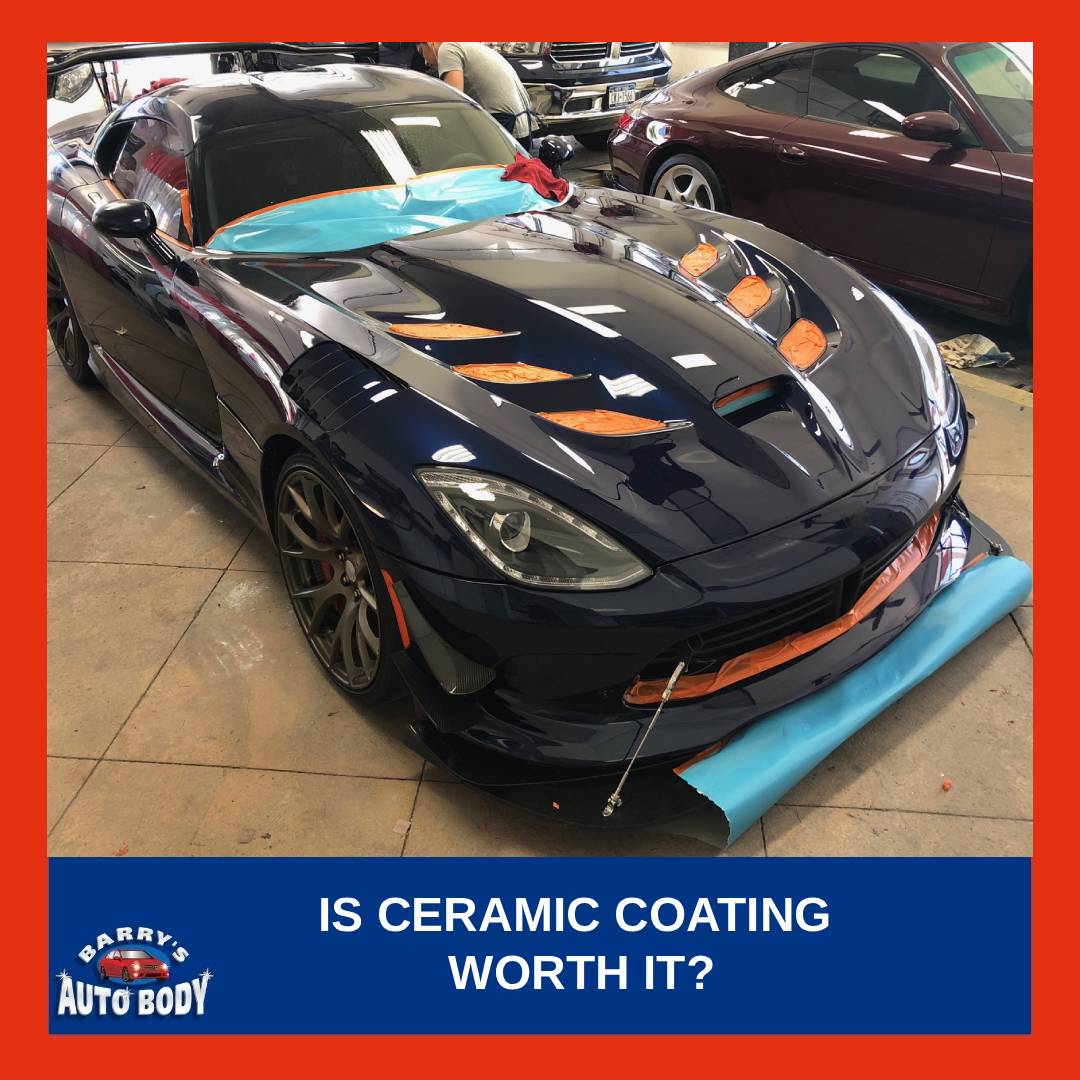
In Part 1, we explained the basics of ceramic coating; now, we examine what ownership is truly like.
Many vehicle owners consider ceramic coating because they want:
- Better paint protection
- Easier cleaning
- Longer-lasting shine
- Reduced maintenance effort
So, how much of this reflects reality?
Ceramic coating offers real benefits, but product quality, preparation, and upkeep determine results.
In this next section, we break down the practical realities of ceramic coating: its true benefits, realistic lifespan, the role of ongoing maintenance, and why the application method matters.
The Real Benefits of Ceramic Coating
Ceramic coating is widely promoted, but understanding its real benefits avoids inflated expectations.
1. Easier Cleaning
One of the most noticeable benefits is how ceramic coating changes the way contaminants interact with your vehicle’s surface.
How It Helps
Ceramic coatings create a hydrophobic surface, meaning water tends to bead and roll off more easily.
This can help reduce:
- Dirt buildup
- Water spotting
- Mud sticking to paint.
- Road grime accumulation
Because contaminants don’t cling as much, washing often requires less scrubbing.
Realistic Expectation
Despite its benefits, ceramic coating will not keep your vehicle spotless.
Ceramic coating does not eliminate washing, but can speed up and simplify cleaning.
For example, light dust may rinse off more easily.
- Rainwater may carry away some surface dirt.
- Drying can require less effort.
2. Enhanced Gloss and Depth
A major appeal of ceramic coating is its visual enhancement.
What It Can Do
Ceramic coating can create:
- A deeper reflective finish
- Increased gloss
- Richer color appearance
- A smoother-looking surface
Effects such as enhanced gloss are especially dramatic on dark vehicles.
Why It Happens
The coating creates a smoother surface that reflects light more evenly.
This can produce the “wet look” many people associate with professionally detailed vehicles.
3. Better Resistance to Environmental Contaminants
Vehicles regularly encounter a range of environmental contaminants.
These can include:
- Bird droppings
- Tree sap
- Road salt
- Pollen
- Bug residue
- Light chemical exposure
Ceramic coating can act as an additional barrier between these contaminants and the paint.
Important Clarification
However, the protection the ceramic coating offers is not limitless.
Bird droppings and chemical contaminants should be removed promptly, as prolonged exposure may damage the surface.
Ceramic coating can reduce risk, but not eliminate it entirely.
4. Reduced Oxidation & UV Exposure
UV rays gradually cause oxidation, diminishing the vibrancy of automotive paint.
Ceramic coating can help slow this process by adding an additional protective layer.
Potential Benefits
- Better color retention
- Reduced fading over time
- Longer-lasting gloss
This can be especially useful for vehicles parked outdoors frequently.
5. Long-Term Appearance Preservation
Ultimately, ceramic coating helps preserve a newer-looking finish longer.
Because the surface can resist contaminants more effectively and remain easier to clean, the vehicle may retain:
- Better gloss
- Cleaner appearance
- More consistent finish quality
This can be particularly appealing for:
- Daily-driven vehicles
- New cars
- Recently corrected paint
Given these benefits, the natural next question is: How long does ceramic coating really last?
One of the most common questions is: How long does ceramic coating last?
The lifespan of ceramic coating varies widely on a case-by-case basis.
Factors That Affect Lifespan
Several variables determine how long a ceramic coating actually lasts.
1. Product Quality
Some coatings are designed for short-term use, while professional-grade coatings may offer greater durability.
2. Surface Preparation
Proper paint preparation greatly affects bonding and longevity.
Poor preparation might reduce effectiveness.
3. Climate Conditions
Vehicles exposed to:
- Harsh sunlight
- Snow and road salt
- Heavy rain
- Coastal environments
…may experience faster coating wear.
4. Washing Habits
Improperly washing your vehicle can accelerate coating deterioration.
Frequent automatic brush washes can reduce coating lifespan.
Typical Lifespan Ranges
While results vary:
- Entry-level coatings might last around 1–2 years.
- Mid-range professional coatings can last several years with proper maintenance.
- Premium coatings may provide longer protection under ideal conditions.
Signs the Coating May Be Wearing Down
Over time, you might notice:
- Water no longer beads effectively
- Dirt sticks more easily.
- Gloss appears reduced
- Surface feels less slick.
These issues signal that ceramic coating performance has declined.
Key Takeaway
Maintenance is just as important as the product itself for coating durability.
Even high-end coatings can degrade prematurely if neglected.
Why Maintenance Still Matters
A common misconception is that ceramic coating makes a vehicle maintenance-free.
That’s not realistic.
Consistent maintenance is key to preserving benefits.
1. Proper Washing Techniques
Washing technique significantly influences the coating’s effectiveness.
Recommended Practices
- Use pH-neutral automotive soap.
- Use microfiber wash mitts.
- Dry with clean microfiber towels.
- Avoid aggressive scrubbing
What to Avoid
- Dirty wash sponges
- Harsh chemicals
- Automatic brush washes (when possible)
Improper cleaning leads to swirl marks and weakens the coating.
2. Regular Decontamination
Contaminants may still adhere to the ceramic coating over time.
Periodic decontamination might help maintain performance.
- Iron removers
- Clay bar treatment
- Surface cleansing products
These steps can help restore hydrophobic behavior.
3. Avoiding Harsh Chemicals
Harsh de-greasers and acids can quickly erode ceramic coatings.
Using coating-safe products is a better option.
4. Maintenance Sprays & Top-Ups
Some ceramic coatings benefit from occasional maintenance.
These can:
- Refresh water beading
- Improve slickness
- Restore gloss temporarily
Mistake 1: Assuming the Car Never Needs Washing
Dirt still accumulates.
Mistake 2: Letting Bird Droppings Sit Too Long
Even coated surfaces can potentially stain.
Mistake 3: Using Dirty Towels or Wash Mitts
This can introduce swirl marks.
Mistake 4: Ignoring maintenance completely
Neglected coatings may lose effectiveness faster.
Why Professional Application Matters
DIY ceramic coatings are available, but professionals often achieve more reliable results.
1. Surface Preparation Is Critical
Thorough surface preparation forms the foundation for coating performance.
Professional preparation may include:
- Paint decontamination
- Clay bar treatment
- Paint correction
- Machine polishing
Why This Matters
Ceramic coating locks in the underlying condition.
If the paint has:
- Swirl marks
- Scratches
- Oxidation
- Water spots
Those defects remain visible after coating.
Proper prep significantly improves final appearance.
2. Controlled Application Environment
Professionals apply coatings in controlled indoor spaces for optimal results.
This reduces:
- Dust contamination
- Uneven curing
- Streaking
Proper lighting also helps identify defects during application.
3. Product Quality Differences
Professional-grade coatings may offer:
- Stronger durability
- Better hydrophobic properties
- Improved gloss retention
- More chemical resistance
Coating performance and protection can differ significantly by brand and grade.
4. Experience Can Reduce Application Errors
DIY application mistakes can include:
- High spots
- Uneven leveling
- Streaks
- Missed areas
Professional experience reduces these risks.
5. Long-Term Value
Though it costs more upfront, professional work boosts coating durability and looks.
- Coating lifespan
- Appearance quality
- Ease of maintenance
With these factors in mind, is ceramic coating worth it?
Ceramic coating delivers value for many when expectations match results.
It Might Be Worth It If You:
- Want easier maintenance
- Keep your vehicles long-term.
- Care about appearance and gloss
- Recently corrected or purchased a newer vehicle.
It Might Not Be Ideal If You:
- Expect scratch-proof protection
- Want zero maintenance
- Have heavily neglected the paint without correction
- Need impact protection from rock chips
Ceramic coating is best seen as:
Ceramic coating is best viewed as:
A long-term paint enhancement and maintenance solution—not an indestructible shield.
How Barry’s Auto Body Handles Ceramic Coating
At Barry’s Auto Body, ceramic coating services typically begin with proper paint evaluation.
The Process May Include:
- Surface inspection
- Paint decontamination
- Paint correction (if needed)
- Professional ceramic coating application
- Cure time management
- Aftercare guidance
This process improves bonding, durability, and final appearance.
If approached realistically, ceramic coating offers substantial practical advantages.
It can:
- Improve gloss
- Simplify cleaning
- Add resistance against contaminants.
- Help preserve appearance over time.
Key Takeaway: Proper maintenance and professional preparation are essential to maximizing ceramic coating results. Neglecting either can lead to disappointing performance or appearance.
Key Takeaway: Consult an experienced professional if you’re considering ceramic coating. They can guide you on whether it fits your vehicle, driving habits, and expectations.