


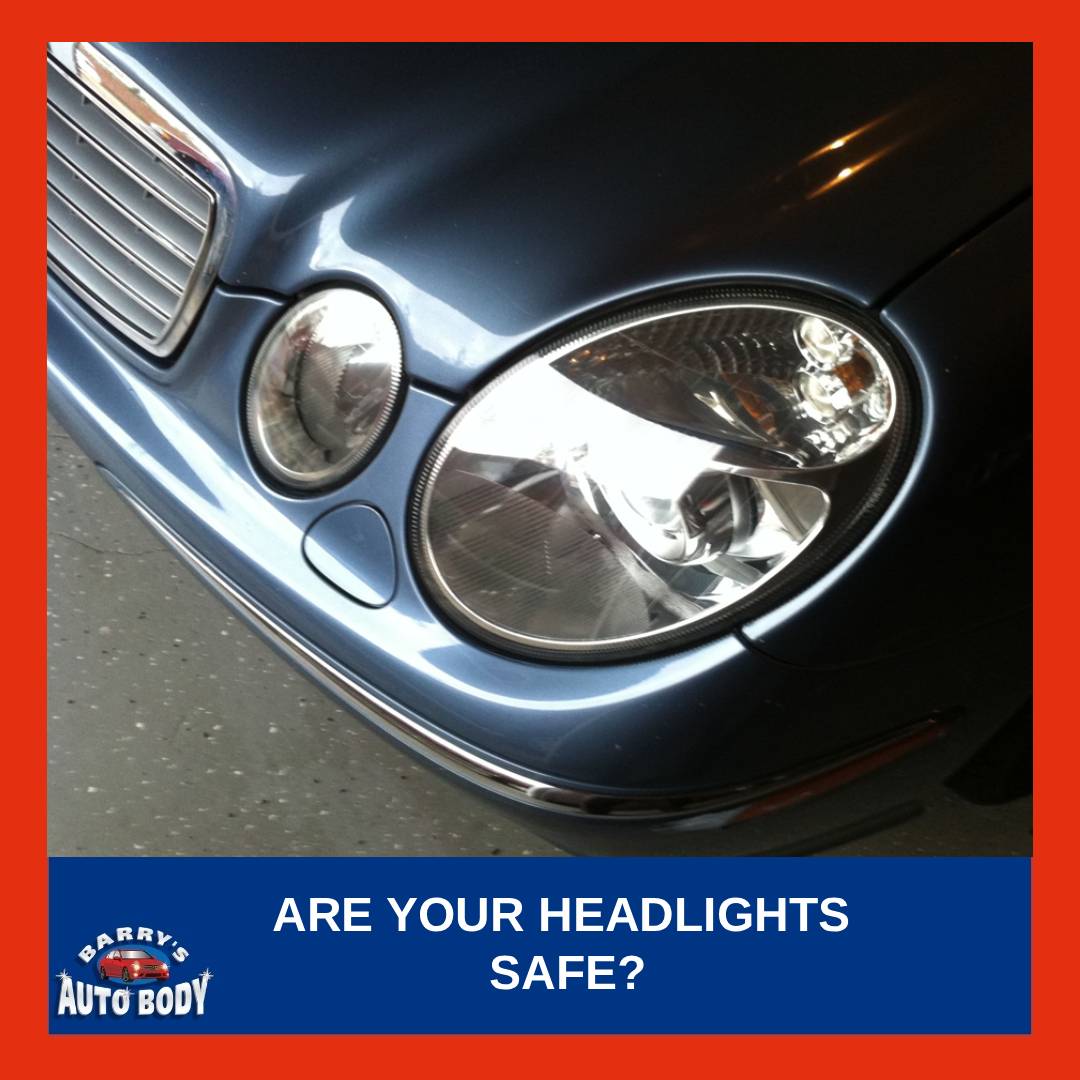
Part 1: Why Headlights Fade, Go Cloudy, or Lose Brightness
Driving at night presents a different set of challenges than driving during the day. Reduced visibility, changing weather conditions, and unexpected hazards require drivers to rely heavily on one critical safety feature: their headlights.
Headlights often dim so gradually that most drivers do not notice the change for months or even years. What once produced a bright, clear beam may slowly become dull, cloudy, or yellow without attracting much attention. Unfortunately, reduced headlight performance can make it harder to see the road ahead and harder for other drivers to see your vehicle.
The good news is that cloudy or faded headlights do not always mean they need to be replaced. In many cases, understanding the cause of the problem is the first step toward improving visibility and restoring confidence during nighttime driving. That makes it easier to move from spotting the problem to understanding its causes.
In this guide, we explain why headlights lose their brightness, the warning signs to watch for, and what you can do to help keep your headlights performing at their best.
Why Bright Headlights Matter
Bright headlights do more than help you see in the dark. They are an important part of road safety.
Properly functioning headlights can help you:
- Identify pedestrians and cyclists earlier.
- Spot wildlife near the roadside.
- See road signs more clearly.
- Detect potholes, debris, and other hazards sooner.
- Make your vehicle more visible to approaching traffic.
When headlights begin losing brightness, visibility may gradually decrease without you realizing it. Because the decline is usually gradual, many drivers adapt to it rather than recognize a problem.
Regular inspection of your headlights can be just as important as checking your tires or brakes.
Why Headlights Become Cloudy or Dim
Several factors can make headlights lose clarity over time. Often, it is a combination of environmental exposure, aging, and everyday driving.
1. UV Damage
Prolonged exposure to ultraviolet (UV) rays from the sun is one of the biggest reasons modern headlights become cloudy.
Most modern vehicles use polycarbonate plastic headlight lenses because they’re lightweight, durable, and impact-resistant. While these lenses are strong, they aren’t immune to the effects of years of sunlight.
Manufacturers apply a protective UV coating to new headlights. As that coating gradually wears away, the plastic underneath becomes exposed and begins to oxidize.
Common Signs of UV Damage
- Yellowing lenses
- Cloudy appearance
- Dull finish
- Reduced light output
Because UV exposure occurs every day, even carefully maintained vehicles can eventually develop cloudy headlights.
Helpful Tip: Parking in covered areas or garages whenever possible may help reduce long-term UV exposure.
2. Oxidation
Oxidation is closely related to UV damage and is one of the most common causes of faded headlights.
Once the protective coating begins to deteriorate, oxygen reacts with the exposed plastic surface. This creates the familiar hazy or milky appearance many older vehicles develop.
The cloudy layer doesn’t just affect appearance. It can also scatter light before it leaves the headlight housing, reducing the amount of usable light reaching the road.
Signs of Oxidation
- Milky white haze
- Yellow discoloration
- Reduced nighttime visibility
- Headlights appear dirty even after washing.
The earlier oxidation is addressed, the more likely restoration may be an effective option, making early action an important takeaway.
3. Road Debris and Everyday Driving
Every day, driving constantly exposes the front of your vehicle to small particles, even in mild weather.
These include:
- Dust
- Sand
- Gravel
- Tiny stones
- Road salt
- Dirt
Although each impact is minor, thousands of them over several years can gradually create microscopic scratches on the lens.
These tiny scratches scatter light in multiple directions rather than focusing it forward, making headlights appear dimmer.
Why This Matters
Even clear headlights can lose effectiveness if the lens surface becomes heavily scratched.
4. Weather Exposure
Weather also contributes to headlight deterioration.
Over time, repeated exposure to:
- Rain
- Snow
- Ice
- Humidity
- Extreme heat
- Road salt
These conditions can gradually wear down protective coatings and accelerate oxidation.
Vehicles that spend most of their lives outdoors often experience faster deterioration than those parked in garages.
Coastal environments may also contribute, as salty air can be more aggressive toward vehicle surfaces.
5. Aging Headlight Bulbs
Sometimes the lens isn’t the only problem.
Headlight bulbs naturally become less effective as they age.
Rather than suddenly burning out, many bulbs gradually lose brightness over hundreds or even thousands of hours of use.
Common Signs of Aging Bulbs
- Yellowish light
- Reduced brightness
- One headlight appears dimmer.
- Shorter illumination distance
Replacing bulbs in pairs is often a good option because both bulbs usually experience similar wear over time.
6. Moisture Inside the Headlight
Headlights are designed to keep moisture out, but aging seals can let it in.
Small cracks, worn seals, or damaged housings may allow condensation to develop inside the headlight assembly.
Possible Warning Signs
- Fogging inside the lens
- Water droplets
- Persistent condensation
- Flickering lights
Moisture can reduce light output and may eventually affect electrical components if left unaddressed.
If condensation remains after the headlight has warmed up, it is generally worth having the assembly inspected.
Common Signs Your Headlights Need Attention
Many drivers do not realize their headlights have become less effective until someone else points it out.
Here are several warning signs that may indicate your headlights need attention.
Cloudy or Yellow Lenses
If the lenses no longer appear clear, oxidation may be reducing light output.
Reduced Visibility at Night
If you find yourself struggling to see road markings or signs during nighttime driving, diminished headlight performance could be one contributing factor.
One Headlight Appears Dimmer
Uneven brightness might suggest:
- An aging bulb
- Electrical issues
- Moisture
- Lens deterioration
Difficulty Driving in Rain
Rain already reduces visibility. Cloudy headlights can make nighttime rain even more challenging because less light reaches the road surface.
Friends or Family Mention Your Headlights
Sometimes another driver notices the problem before you do.
If someone comments that your headlights appear unusually dim, it may be worth investigating.
Are Cloudy Headlights Dangerous?
Cloudy headlights can affect both what you see and how well other drivers see you.
Reduced light output may decrease the distance you can clearly identify hazards, particularly on poorly lit roads.
Potential consequences may include:
- Less reaction time
- Difficulty spotting pedestrians
- Reduced visibility during storms
- Harder-to-read road signs
- Increased eye strain during long nighttime drives
While cloudy headlights do not automatically make a vehicle unsafe, they can reduce visibility, particularly in poor weather or on dark roads.
Can Headlights Be Restored?
In many cases, cloudy headlights can be restored.
If the damage is limited to the outer lens, professional headlight restoration may significantly improve clarity and brightness.
Restoration often involves removing the oxidized outer layer, polishing the lens, and applying a protective UV-resistant coating.
However, restoration is not always the best solution.
Replacement may be a better option if:
- The housing is cracked.
- Internal reflectors are damaged.
- Moisture has caused significant internal deterioration.
- Mounting points are broken.
A professional inspection can usually determine which option is most appropriate, helping you choose the clearest next step.
DIY vs Professional Headlight Restoration
Many DIY restoration kits are available, and some can produce noticeable improvements.
However, results often depend on preparation, technique, and whether a durable UV-protective coating is applied afterward.
DIY Restoration
Advantages
- Lower upfront cost
- Convenient
- Suitable for light oxidation
Limitations
- Results can vary
- Protection may not last as long.
- Improper sanding may damage lenses.
Professional Restoration
Professional restoration typically includes:
- Multi-stage sanding
- Machine polishing
- Surface refinement
- High-quality UV-resistant protective coating
Because the protective coating is a major factor in long-term durability, professional restoration may provide longer-lasting results in many situations.
How Barry’s Auto Body Can Help
At Barry’s Auto Body, the condition of the headlights is carefully evaluated to determine whether restoration or replacement is the most appropriate solution.
Our technicians can inspect:
- Lens clarity
- UV damage
- Oxidation
- Moisture intrusion
- Overall headlight condition
Where restoration is appropriate, professional techniques can often improve clarity, increase light output, and enhance your vehicle’s appearance while helping protect the lenses against future UV damage.
Headlights naturally deteriorate over time, and many drivers do not notice the decline until visibility has already been affected.
Understanding why headlights become cloudy, yellow, or dim can help you recognize problems earlier and make informed decisions about maintenance or restoration.
Whether the cause is UV exposure, oxidation, road debris, aging bulbs, or moisture, addressing the issue sooner may improve nighttime visibility and enhance driving confidence.
In Part 2, we’ll explore how professional headlight restoration works, how long it can last, what results you can realistically expect, and when replacing the entire headlight assembly may be the better option.